
How to Attract Ducks to Your Land: Water and Habitat
Where2Hunt staff · Updated Oct 29, 2026
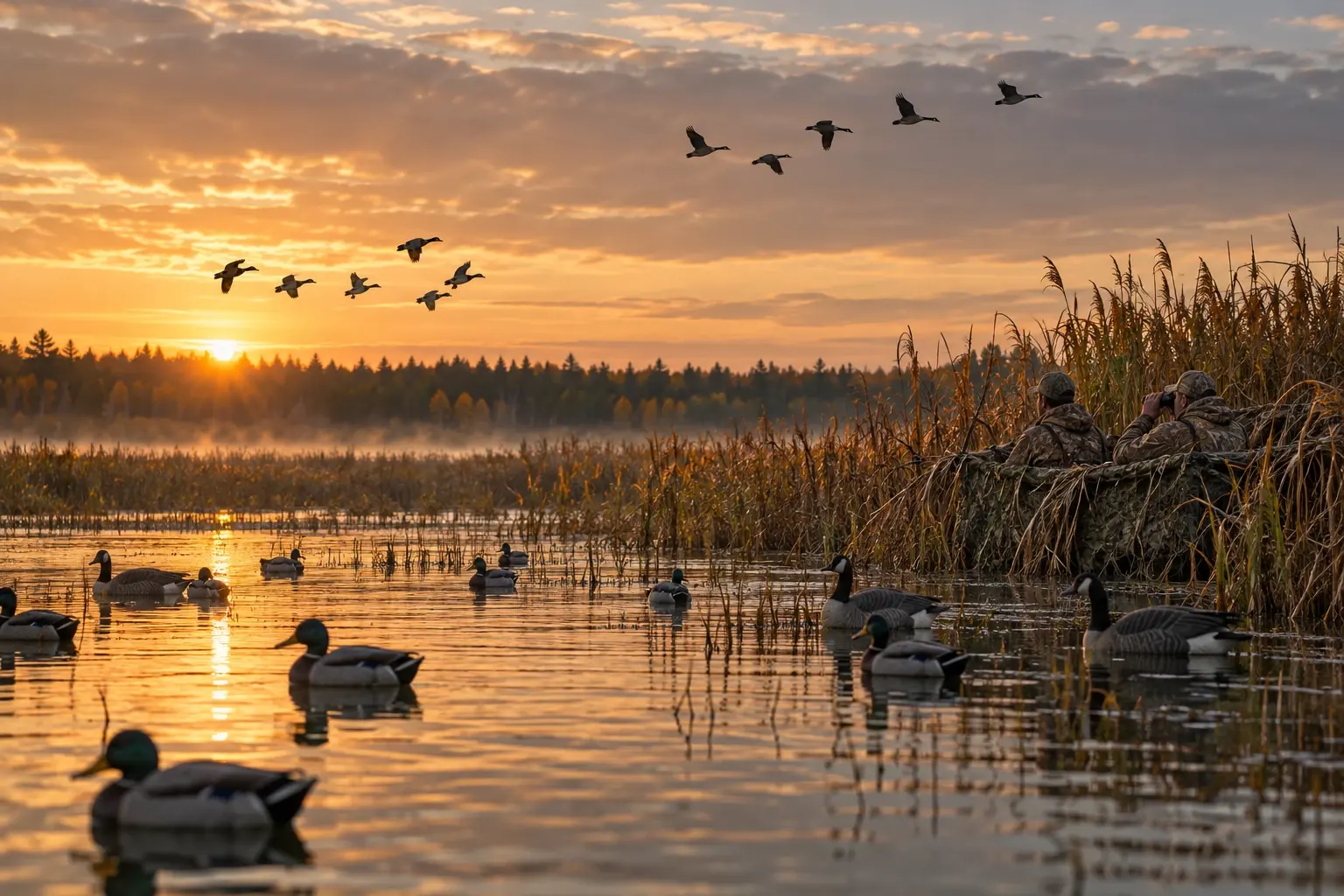
How to attract ducks to your land with shallow water, moist soil management, water control structures and rest, while staying legal on baiting rules.
To attract ducks to your land, give them shallow water, natural food and a place to rest without being disturbed. Most private duck ground does this with moist soil units, small impoundments with water control structures, and careful limits on hunting pressure. Any work in wetlands may require permits, and federal baiting rules shape how you can manage food and flooding, so plan with the agencies before you move dirt or water.
What ducks need from your land
Ducks move through the landscape looking for three things: food, water at the right depth, and safety. Dabbling ducks such as mallards, gadwall, wigeon, pintails and teal feed by tipping up in shallow water, so they favor flooded areas just deep enough to reach seeds and invertebrates on the bottom. Diving ducks use deeper open water. Most private land management focuses on dabblers because shallow water is easier to create and control.
During migration, ducks are burning a lot of energy. Land that offers high-energy seeds, protein-rich invertebrates, and calm water where they can rest will hold birds longer than a pond with steep banks and nothing to eat. Location matters too. Property near a major river system, refuge or established flyway route sees more birds passing over than ground far from traditional duck habitat. If you are shopping for duck property, look at hunting land for sale by state in areas where ducks already concentrate.
Shallow water and moist soil management
Moist soil management is the foundation of many successful duck properties. The idea is simple: control water levels to grow native wetland plants that produce seeds ducks eat, then flood those plants in fall and winter.
The typical cycle works like this:
- Drawdown. In spring or summer, slowly drain water from a wetland unit to expose mudflats. This lets native seed-producing plants such as smartweeds, wild millets, sedges and other annuals germinate.
- Growing season. Let those plants grow and produce seed. Mowing, disking or spraying may be used to control woody plants or undesirable species that take over.
- Reflooding. In fall, add water gradually so ducks can feed on seeds and invertebrates at the right depth. Flooding units in stages over several weeks gives birds fresh food through the season.
Timing of drawdowns affects which plants grow, and the right approach varies by region and soil. Many state wildlife agencies and conservation organizations publish moist soil guides for their areas, and private lands biologists can help you build a plan.
Shallow water is the key. Ducks use flooded areas that are only a few inches deep far more than deep ponds. Even gently sloping pond edges, flooded timber, and small low spots that hold water after rain can attract birds.
Flooding crops and the baiting rules
This is where duck hunters get into trouble most often. Federal regulations prohibit hunting migratory birds over bait, and the rules about what counts as bait are detailed. In general terms, the regulations distinguish between normal agricultural planting and harvest, manipulation of natural vegetation, and manipulation of agricultural crops. Some practices that are allowed for dove hunting are not allowed for waterfowl. Grain that is placed, scattered or left in a way that is not part of normal agricultural practice can create a baited area, and a baited area can remain off limits to hunting for a period after the bait is removed.
Flooding crops, mowing or knocking down standing crops, and planting crops specifically to attract ducks all fall under specific rules. Before you plan any crop-related management, read the federal migratory bird hunting regulations and contact your state wildlife agency or a U.S. Fish and Wildlife Service law enforcement office. Ask before the season, not after. Ignorance of the rules is not a defense, and a hunter can be cited even if someone else placed the bait.
Natural vegetation managed through moist soil practices is generally the safest path, but even then, confirm your plan with the agencies.
Water control structures and levees
To manage water levels, you need a way to hold water in and let it out. Common options include:
- Stop-log or flashboard structures, where boards are added or removed to set the water level.
- Pipe risers and gates that control flow through a levee.
- Pumps or wells that supply water when rainfall alone is not reliable.
- Low levees that create separate units you can flood and drain independently.
Designing levees and structures is an engineering job. Poorly built levees can fail, and structures in the wrong place can flood neighbors, block drainage, or damage existing wetlands. Look for help from the USDA Natural Resources Conservation Service, your state wildlife agency's private lands program, or conservation groups such as Ducks Unlimited, which have worked with private landowners on wetland projects.
Permits are a real issue. Work in wetlands, streams and floodplains, including building levees, digging, dredging or placing fill, can require federal, state or local permits. Talk to the U.S. Army Corps of Engineers district office and your state environmental agency before starting any project. Some wetland work on farmland can also affect eligibility for farm programs, so check with your local USDA office as well. A conservation easement on the property may limit what you can do, too.
Rest, pressure and hunting strategy
Ducks leave heavily pressured water quickly. The most consistent private duck properties manage hunting pressure as carefully as they manage water.
Common approaches include:
- Rest areas. Set aside part of the property, often the best roosting water, where no one hunts. Birds that feel safe there will use the rest of the property more.
- Limited hunting days. Many landowners hunt only a few days a week and leave the property alone between hunts.
- Morning-only hunting. Some properties stop hunting by a set time each day so birds can return and settle in the afternoon.
- Rotation. If you have several units, hunt them in rotation rather than shooting the same hole every day.
Place blinds where you can reach them without flushing birds off the water, and set them up so the wind lets ducks approach into the decoys naturally. Plan access carefully just as you would for deer.
If you would rather hunt well-managed duck ground than build it yourself, Where2Hunt lists guided hunts and outfitters and hunting leases across the country, including waterfowl operations.
Licenses and rules for hunting ducks on your land
Owning the land does not exempt you from licensing rules. Waterfowl hunters generally need a state hunting license, any required state waterfowl stamp or permit, Harvest Information Program (HIP) registration, and a federal duck stamp if they are 16 or older. Nontoxic shot is required for waterfowl hunting.
Seasons, shooting hours and bag limits are set each year and vary by state and zone. Check your state wildlife agency's current regulations through our state hunting regulations and agencies page before every season. For species basics and hunting tips, see our waterfowl species guide and our post on duck hunting for beginners.
Frequently asked questions
How do you attract ducks to a pond?
Ducks prefer shallow water with food, so a pond with gently sloping edges and native seed-producing plants along the shoreline works better than one with steep banks and deep water. Limiting disturbance helps a great deal. Keep in mind that baiting rules apply, so do not scatter grain or feed around a pond you plan to hunt.
Is it legal to flood a cornfield for duck hunting?
It depends on how the crop was planted, harvested or manipulated, and the federal rules on baiting are detailed. Some practices allowed for doves are not allowed for waterfowl. Read the federal migratory bird hunting regulations and check with your state wildlife agency or the U.S. Fish and Wildlife Service before the season.
Do I need a permit to build a duck impoundment?
Often, yes. Building levees, digging or placing fill in wetlands, streams or floodplains can require federal, state or local permits. Talk to the U.S. Army Corps of Engineers district office and your state environmental agency before you start.
How often can I hunt my duck hole?
There is no set rule, but ducks leave heavily pressured water. Many landowners hunt only a few days a week, stop hunting by a set time each day, and keep a rest area where no one hunts. Watching how birds respond will tell you if you are pushing too hard.
General information, not legal advice. Hunting laws vary by state and change every year; confirm with the state wildlife agency. See an error? Tell us.