
How to Improve Hunting Land: Habitat Projects That Work
Where2Hunt staff · Updated Oct 29, 2026
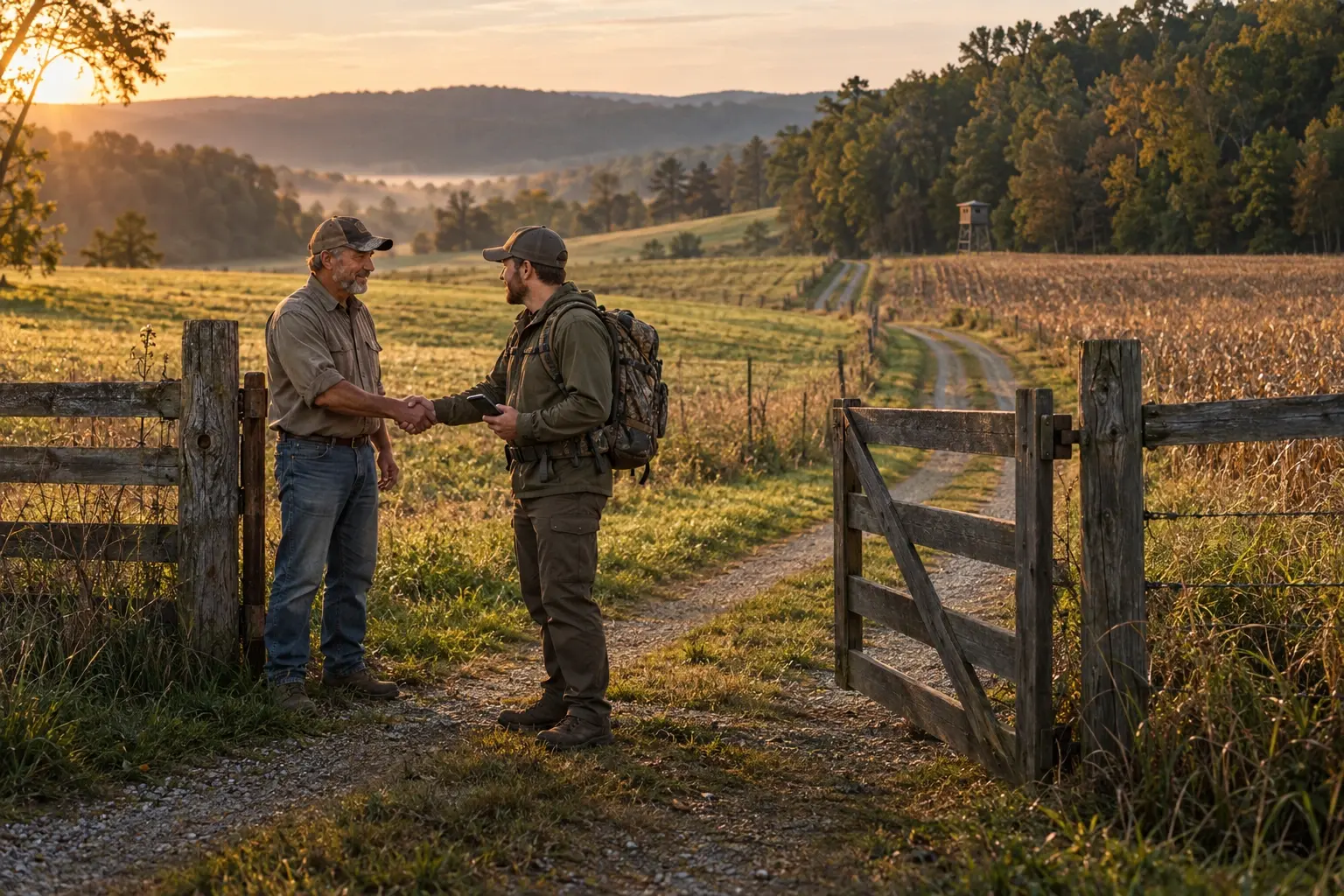
Learn how to improve hunting land with timber stand work, hinge cutting, native grasses, prescribed fire, water, sanctuaries and smart access routes.
The best way to improve hunting land is to add the cover, food and security that the property is missing, then control how you access and hunt it. That usually means opening the timber canopy so sunlight reaches the ground, creating thick bedding cover, adding water, setting aside sanctuaries, and laying out entry routes that keep game from smelling or seeing you. Most of this work is slow, steady habitat management, and much of it is cheaper than buying more acres.
Start with a habitat plan for your hunting land
Before you cut a tree or buy seed, walk the whole property in different seasons and map what you find. Mark bedding areas, food sources, water, trails, rubs and scrapes, property lines, roads and the places neighbors hunt. Aerial imagery helps you see timber types, openings and edges you might miss on foot.
Then ask what the property lacks. Many wooded tracts have plenty of mature trees but almost nothing growing under them, which means little browse and little cover. Many farm tracts have plenty of food but nowhere for deer to feel safe in daylight. The gaps tell you where to spend your time.
You do not have to figure this out alone. State forestry agencies and state wildlife agencies often have foresters and private lands biologists who visit properties and write management recommendations. The USDA Natural Resources Conservation Service and local conservation districts run programs that can offer technical help and, in some cases, cost-share for habitat practices. Your state wildlife agency is a good first call to find out what is available where you are.
If you are still looking at hunting land for sale by state, this same lens helps you judge a property. Ground that needs habitat work is not a bad buy, as long as you know what the work involves.
Timber stand improvement and hinge cutting
Timber stand improvement (TSI) means removing lower-value trees so the better trees have room to grow. For hunters, the goals are usually to release mast-producing trees like oaks and to open the canopy so sunlight reaches the forest floor. That sunlight brings up the young saplings, briars, forbs and brush that deer browse and bed in.
TSI is best done with a forester. A forester can tell you which trees to keep, which to remove, and whether a commercial timber harvest makes sense before you start cutting. In some cases a timber sale can pay for habitat work while creating the young forest that wildlife needs.
Hinge cutting is a related technique. Instead of felling a tree completely, you cut partway through the trunk so it tips over but stays attached and alive. The tree keeps growing sideways, putting browse at deer height and creating a tangle of cover. Hinge cuts are used to build bedding areas, screen trails and steer deer movement.
Chainsaw work is dangerous, and hinge cutting is more dangerous than ordinary felling because the tree is under tension and can split or kick unpredictably. Wear chaps, a helmet, eye and ear protection and gloves, never cut alone, and get training if you are not experienced. Also check whether a conservation easement, timber contract or lease limits what you can cut.
Edge feathering and native warm-season grasses
The line where a field meets the woods is often a hard wall of mature trees. Edge feathering softens that transition by cutting or hinging trees along the border so you get a gradient: field, then low shrubs and brush, then young trees, then mature timber. That softer edge provides browse, nesting cover and travel corridors for deer, turkeys, rabbits and songbirds.
Native warm-season grasses (often shortened to NWSG) are another powerful tool on open ground. Switchgrass, big bluestem, little bluestem and indiangrass are common examples. Unlike cool-season sod grasses, these bunch grasses grow tall and stand up through winter, creating bedding cover for deer and nesting and brood habitat for quail, turkeys and pheasants. They are also useful as visual screens along roads and access trails.
Native grasses can be slow to establish and may not look like much for the first season or two. Weed control early on makes a big difference. Once established, they need periodic disturbance such as burning, disking or mowing to stay healthy.
Prescribed fire and other disturbance
Many habitats depend on regular disturbance. Without it, fields grow up into thick, low-value brush and then into closed timber, and native grasses become choked with thatch. Prescribed fire resets that process. It clears dead material, stimulates new growth of forbs and grasses, and can improve browse and nesting cover.
Prescribed fire must be done carefully and legally. Work with trained professionals, such as a state forestry agency, a certified burn manager, or a prescribed burn association if your area has one. A proper burn requires a written plan, firebreaks, the right weather conditions, adequate crew and equipment, and any permits or notifications your state and county require. Never burn on your own without training.
Where fire is not practical, disking, mowing and herbicide treatments can provide some of the same benefits. Rotating disturbance so that only part of an area is treated each year keeps a mix of habitat stages on the property.
Water sources and sanctuaries
Water is often overlooked, especially on upland properties. A small pond, a water hole near bedding cover or a simple livestock-style tank can draw deer and other game, particularly during dry stretches in early season. Before you dig, check with your state environmental agency and local officials. Work in streams, wetlands or floodplains can require permits.
Sanctuaries are areas you leave alone. No hunting, no shed hunting during sensitive times, no trail camera checks, and ideally no foot traffic at all. When deer learn that a section of your property is truly safe, they are more likely to bed there and move nearby during daylight. The right size depends on your total acreage and layout, but even small properties benefit from a core area that stays undisturbed. Thick cover from hinge cutting or native grasses makes an ideal sanctuary.
Access routes and hunting pressure
You can build perfect habitat and still ruin it with careless access. Every walk to a stand leaves scent and noise, and mature deer notice patterns quickly.
Plan your access before you hunt:
- Lay out entry and exit routes that approach stands from downwind and avoid crossing bedding areas or food sources.
- Use creeks, ditches, ridgelines and low ground to hide your movement.
- Screen trails and field edges with native grasses, conifers or hinge cuts.
- Keep vehicle parking well away from where deer bed and feed.
- Hunt each stand only in the winds that suit it, and rest stands between sits.
Our guide on where to put a deer stand goes deeper on how access, wind and travel routes fit together. Habitat improvement and stand placement work best when planned as one system. Food plots fit into the same plan; see our guide to food plots for deer for the planting side.
Good habitat work also tends to make a property more appealing to future buyers and lease hunters. Where2Hunt shows many listings with improvements like plots, trails and stands described in detail, which gives you a sense of what other landowners invest in.
Frequently asked questions
What is the fastest way to improve hunting land?
The fastest gains usually come from reducing hunting pressure and fixing access, since those changes take effect the next season. Hinge cutting and opening the canopy can also add cover and browse within a year or two. Most other habitat work, like timber management and native grasses, pays off over several seasons.
Who can help me make a habitat plan?
Start with your state wildlife agency and state forestry agency. Many have private lands biologists and foresters who visit properties and make recommendations. The USDA Natural Resources Conservation Service and local conservation districts can also explain technical help and cost-share options that may apply to you.
Is hinge cutting good for deer?
Hinge cutting can create excellent bedding cover and put browse at deer height, and it is a common tool for shaping deer movement. It is dangerous chainsaw work, so use full protective gear, never cut alone, and get training if you are inexperienced. A forester can help you decide which trees to hinge and which to save.
Do I need a permit for prescribed fire?
Requirements vary by state and county, and many areas require a permit or notification before any burn. Prescribed fire should only be done with trained professionals and a written burn plan. Contact your state forestry agency to learn the rules and find qualified help.
General information, not legal advice. Hunting laws vary by state and change every year; confirm with the state wildlife agency. See an error? Tell us.