
What Is a Hunting Preserve? How Preserve Hunts Work
Where2Hunt staff · Updated Oct 29, 2026
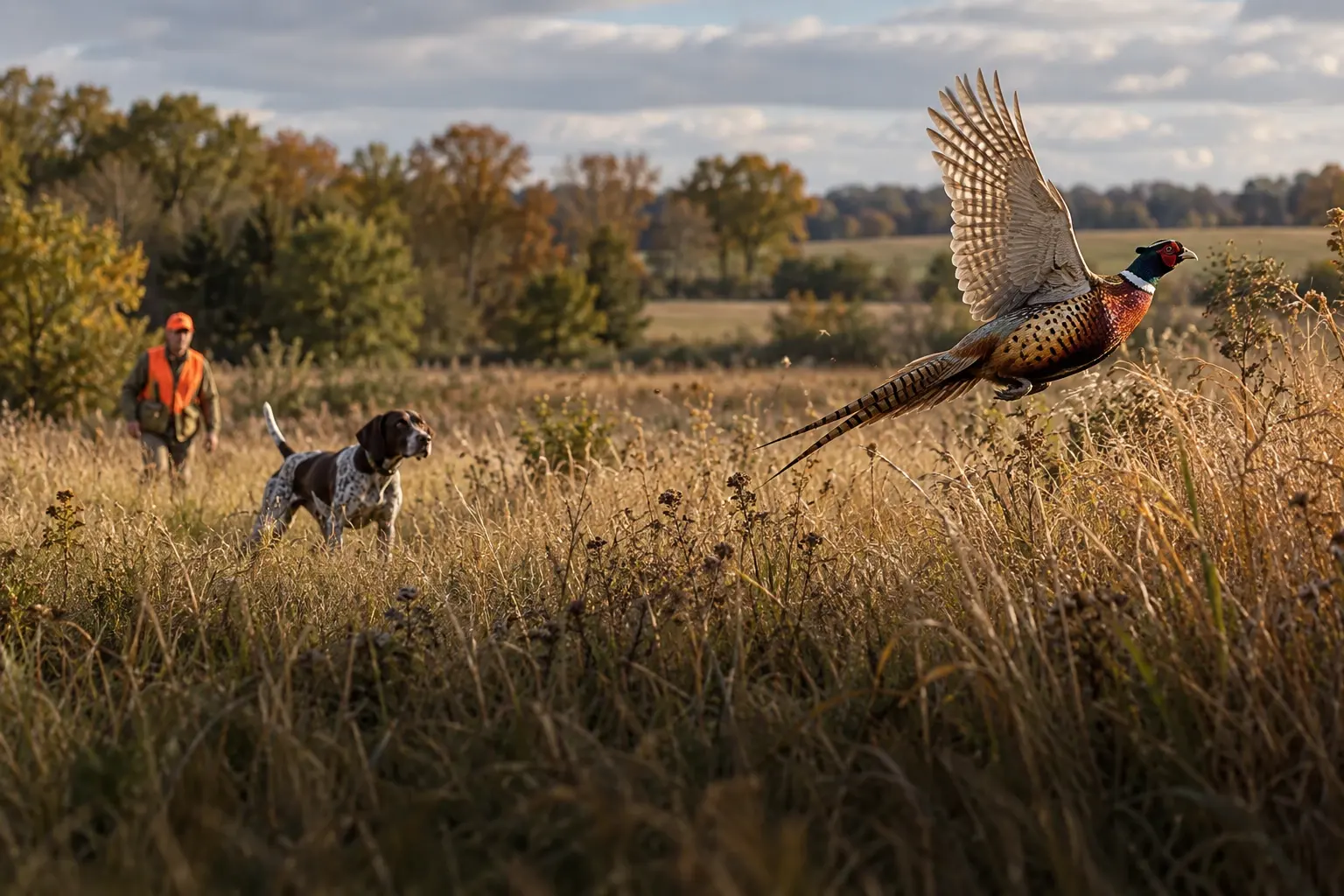
A hunting preserve is private land licensed to offer hunts for released birds or ranch game. Learn how preserve hunts work, how they price, and how to choose.
A hunting preserve is privately owned land that operates as a hunting business, usually under a state license, where hunters pay to hunt birds or game the operator raises, releases or manages. Most preserves focus on upland birds like pheasant, quail and chukar, while others are big game ranches offering deer, hogs or exotic species. Preserves often have longer seasons than wild game and offer guides, dogs and lodging.
What a hunting preserve is and why hunters use one
A hunting preserve sells access and, often, a guided experience. Instead of hoping to find wild birds on public ground or knocking on doors for permission, you book a date, show up, and hunt land that is managed specifically for hunting.
Hunters use preserves for a lot of reasons:
- Reliable opportunity. Released birds mean you will almost always get shots, which is hard to promise with wild birds.
- Training dogs. Preserves give young dogs repeated contact with birds and give owners a chance to work on steadiness and retrieves.
- Introducing new hunters. Kids, spouses and friends who have never hunted get action, coaching and a safe, controlled setting.
- Longer seasons. Many states allow licensed preserves to run seasons that extend well beyond the wild bird season.
- Convenience. A half day at a preserve fits a busy schedule better than a long trip.
- Corporate and group outings. Lodges and preserves are set up to host groups with meals, sporting clays and lodging.
Preserves range from simple operations with a few fields and a check-in shed to full lodges with kennels, dining rooms and guest rooms.
Upland bird preserves vs big game ranches
The word preserve covers two quite different kinds of business.
Upland bird preserves are the most common. They release pen-raised pheasant, bobwhite quail, chukar or Hungarian partridge into fields of grass, food plots and brushy cover, then guide hunters and dogs through those fields. Some also offer driven or tower shoots, where birds are released toward a line of standing hunters, and some offer duck hunts with mallards where state and federal rules allow. See our pheasant species page for more on the birds themselves.
Big game ranches offer deer, elk, hogs or exotic species such as axis deer, blackbuck or aoudad, depending on what the state allows. Some are high-fence properties where animals stay within an enclosure. Others are large low-fence ranches managed for wild game. State rules on fenced hunting, captive cervids and exotics vary a lot, and some states restrict or prohibit certain types of operations.
If you want to understand the differences between wild, released and high-fence hunting before you book, read our guide on wild, released and high-fence hunting.
How released birds are hunted on a preserve
Released birds are raised on game farms and put out in the field, usually shortly before you hunt. A good preserve uses quality, well-feathered birds that fly hard, and plants them in good cover so dogs have to work.
A few things are worth knowing:
- Birds that are released and not shot may survive in the cover, so you might also flush leftovers from earlier hunts. Some preserves call these carryover birds.
- Birds released in cold weather or late in the season often act wilder and flush farther.
- On many hunts you pay for a set number of birds released, and you may not shoot them all.
- Shooting rules still apply. Some preserves allow only roosters on pheasant hunts while others allow hens, so ask before the hunt. Safe shooting lanes are strictly enforced.
Preserve hunting is still hunting. Birds flush unexpectedly, dogs make mistakes and hunters miss. That is part of the appeal.
Preserve licensing, seasons and regulations
In most states, a hunting preserve is licensed by the state wildlife agency or the agriculture department, and the operator must follow rules about bird sources, record keeping, minimum acreage, boundaries and season length. In many states, licensed shooting preserves can operate across a longer season than the wild bird season, which is a big reason preserves are busy in late winter.
Hunters usually still need a valid hunting license. Some states offer a special preserve license that is cheaper or shorter term, while others require a regular small game license. Hunter education requirements still apply in most cases. Some states also require a tag, band or receipt showing the birds came from a licensed preserve when you transport them home.
Rules for waterfowl and big game on preserves are different again, and federal rules apply to migratory birds. Because all of this changes and differs by state, check the state hunting regulations and agencies for the state you plan to hunt, and ask the preserve what license you need when you book.
What a typical day at a hunting preserve looks like
Most preserve hunts follow a similar pattern.
- Check in. You meet your guide, sign any waivers, show your license, and talk through the plan and the safety rules.
- Safety briefing. Expect rules on blaze orange, safe zones of fire, keeping actions open between fields, and where everyone walks in the line.
- The hunt. Your guide works dogs through cover while hunters walk in a line or stand at assigned spots. Half day hunts often cover one or two fields. Full days may include a lunch break and fresh fields in the afternoon.
- Bird cleaning. Many preserves clean and bag your birds for you, sometimes for an extra charge.
- Extras. Sporting clays, a meal, lodging and dog boarding are common add-ons.
Bring your own shotgun and shells unless the preserve rents them, wear comfortable boots and blaze orange, and bring a cooler for the birds. Tipping the guide and dog handler is customary at most preserves. Ask the preserve what is typical.
How hunting preserves price their hunts
Preserves price hunts several ways, and it pays to understand the model before you compare.
- Per bird. You pay for each bird released, with a minimum number per hunter or per group.
- Per day or half day. A flat rate covers a guide, dogs and a set number of birds.
- Packages. Multi-day packages bundle hunting, meals and lodging.
- Memberships. Some preserves sell annual memberships with a set number of birds or hunt days.
- Big game. Ranches may price by the day, by the animal, or by trophy class, with separate trophy fees.
Ask what is included: guide, dogs, bird cleaning, lodging, meals, license and tax. Two prices that look similar can cover very different things.
How to choose a hunting preserve
Look for a preserve that matches what you want: dog training, a family introduction, a group outing or a hard-flying late-season hunt. Then ask questions.
- Where do the birds come from, and how are they released?
- How many hunters are in a group, and are other groups hunting nearby?
- What dogs and guides are provided, and can you bring your own dog?
- What safety rules and blaze orange requirements are in place?
- What is the cancellation and weather policy?
- Can you speak with past clients?
Our questions to ask before a guided hunt apply to preserves as well. When you are ready, you can browse hunting preserves and ranches on Where2Hunt by state and species.
Frequently asked questions
Do you need a hunting license to hunt at a preserve?
Usually yes, though the type varies by state. Some states offer a preserve-only license, while others require a standard small game license. Ask the preserve and check with the state wildlife agency before your hunt.
Are preserve birds wild?
No. Preserve birds are raised on game farms and released, though well-raised birds in good cover can fly and act much like wild birds. Released birds that survive may also become harder to hunt over time.
Can I bring my own dog to a hunting preserve?
Many preserves allow it, and some offer a lower rate if you bring your own dog. Others require you to use their dogs and guides. Ask when you book, and be ready to show vaccination records.
What should I bring to a pheasant preserve hunt?
Bring your license, shotgun, the shells the preserve allows, blaze orange, comfortable boots, eye and ear protection, water and a cooler for the birds. Ask whether the preserve cleans birds and whether a tip for the guide is customary.
General information, not legal advice. Hunting laws vary by state and change every year; confirm with the state wildlife agency. See an error? Tell us.