How to Sell Hunting Land: Prep, Timing and Listing
Where2Hunt staff · Updated Oct 29, 2026
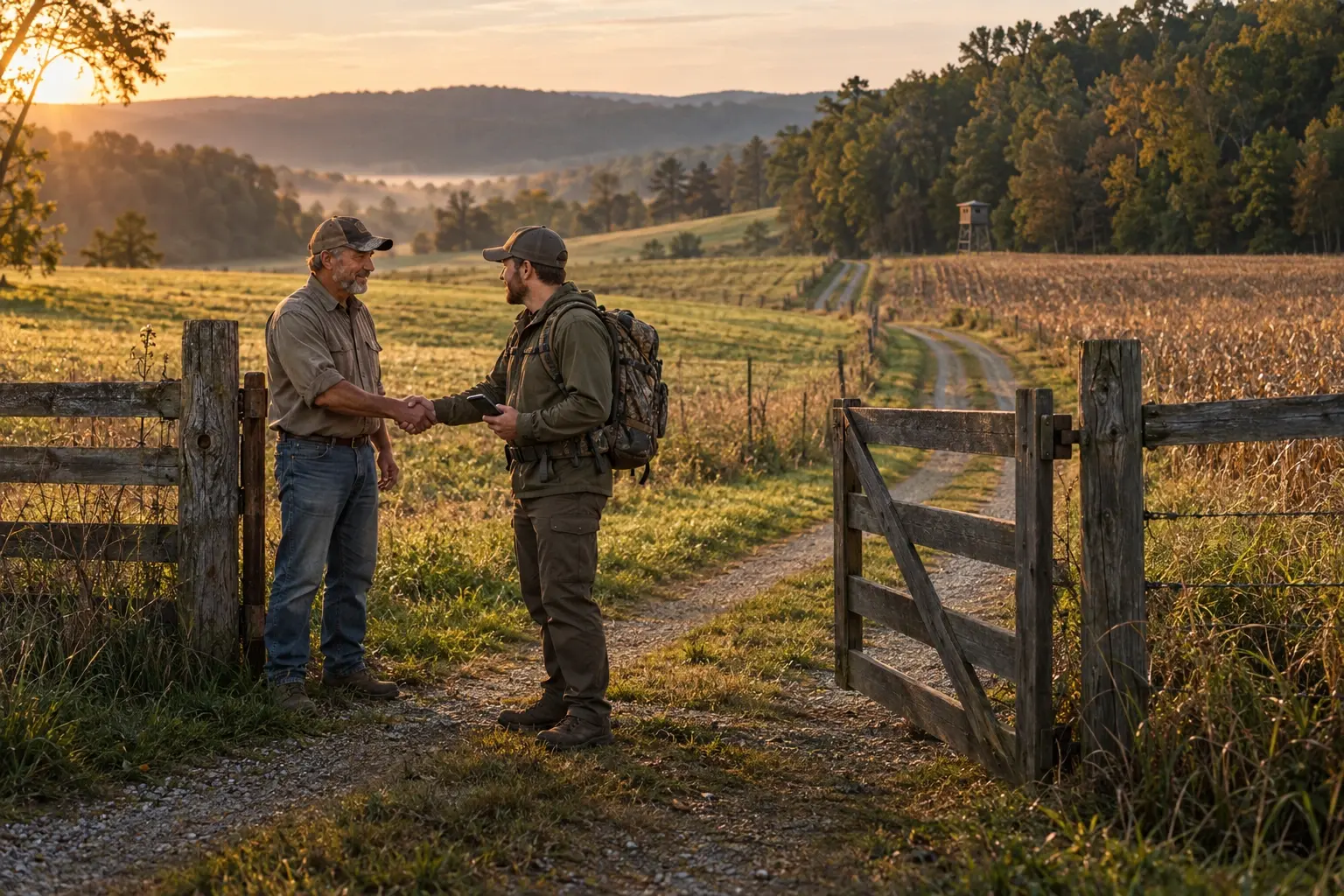
How to sell hunting land: prepare surveys and trails, gather trail cam photos and harvest records, time the listing well and choose an experienced land agent.
To sell hunting land, get the property and paperwork in order, time the listing so buyers can see it at its best, describe the hunting honestly and in detail, and work with a land agent who knows recreational buyers. Buyers pay for clear boundaries, good access, wildlife evidence and a story they can picture themselves in. A little preparation before you list usually pays off in a smoother sale.
Prepare the property before you list
Buyers judge hunting land on what they can see and walk. Spend a season getting it ready if you can.
Survey and boundaries
A current survey answers the first questions most buyers and lenders ask. If your survey is old or missing, consider ordering one. Mark corners and paint or flag boundary lines so buyers can see what they are getting. Resolve any known encroachments or fence disputes with neighbors before listing.
Roads and trails
Clear and grade access roads, fix washouts and culverts, and mow or brush hog internal trails. Buyers want to drive or walk the property easily during a showing. A well-kept trail system also shows how the land can be hunted without bumping deer.
Food plots and habitat
Established food plots help buyers picture themselves hunting the land. If you have plots, keep them planted and maintained through the sale. Note any habitat work you have done, such as timber stand improvement, native grass plantings or ponds, and when it was done.
Stands and blinds
Decide what stays and what goes. Stands, blinds and feeders that convey can add appeal, but remove anything unsafe. Leave only stands in good condition, and tell buyers which ones are included. Be sure stands on boundary lines are actually on your side of the line.
Clean up
Haul off trash, old equipment, collapsed buildings and anything that looks like a dump. Buyers notice, and environmental concerns can slow a sale.
Gather records buyers want to see
Hunting buyers love evidence. Pull together:
- Trail camera photos and video. Organize your best images by season and location. Photos of mature deer, turkeys or other game, with dates, carry a lot of weight.
- Harvest records. A simple list of what was taken each year, and by how many hunters, gives buyers a realistic picture.
- Maps. Mark stands, plots, trails, bedding areas, water, gates and parking on an aerial map.
- Habitat and timber records. Forest management plans, timber cruises, planting records and soil tests.
- Legal and tax documents. Deed, survey, any easements, mineral or timber reservations, existing leases and recent tax bills.
Having these ready makes your listing stronger and shortens the buyer's due diligence. Buyers will often work through a list like our hunting land due diligence checklist, so anticipate their questions.
Time your listing around hunting seasons
When you list can affect how many buyers see the property and how it shows.
- Late winter through spring. Many hunting buyers shop after their seasons close, while they still have the past fall fresh in mind. Leaves are off, so it is easier to see terrain, sign and boundaries.
- Summer. Food plots and crop fields look their best, and buyers often want to close in time to prepare for fall.
- During hunting season. Showings can disturb game, and some buyers are busy hunting. Many sellers avoid listing in the heart of the season, though serious buyers still look.
Talk with your agent about timing. Local market conditions, crop schedules and your own plans may matter more than the calendar. If the land is under a hunting or farm lease, check the lease terms so a sale fits around them. Seasons vary by state, so check current dates with the state wildlife agency.
Describe the hunting in the listing remarks
A good listing description tells buyers what it is like to hunt the property. Be specific and honest.
- Name the species the land supports: whitetail deer, turkey, waterfowl, upland birds or others.
- Describe the habitat mix: hardwoods, pines, cutovers, fields, creek bottoms, ponds, wetlands.
- Explain how the land hunts: stand locations, prevailing winds, funnels, bedding areas and access routes.
- List improvements: cabin, power, well, roads, plots, stands, gates.
- Mention what surrounds the property, such as large farms, timberland or public land.
- Note income sources: timber, farm rent or a current hunting lease.
Avoid exaggeration. Claims you cannot support will come up during showings and can cost you a buyer's trust. Let photos and records speak for themselves.
Choose an experienced land agent
Selling hunting land is different from selling a house. The right agent understands timber, access, easements, recreational buyers and how to show land without wrecking the hunting.
When you interview agents, ask:
- How many rural and recreational properties they have sold in your area.
- How they market hunting land and where listings appear.
- How they price land and what comps they would use.
- Whether they will walk the property and learn how it hunts.
- How they handle showings during hunting season.
Your agent should help you set a realistic price based on comparable sales. Our post on how much hunting land costs explains the factors buyers and appraisers weigh.
How to list hunting land on Where2Hunt
On Where2Hunt, land is listed only through a MyStateMLS agent. If you are a landowner, work with a MyStateMLS agent, who can put your property in front of buyers searching for hunting land for sale. If you are an agent, you can join MyStateMLS to list your clients' properties. Our page on how to list hunting land explains the steps for both owners and agents.
Closing the sale
Once you have an offer, your agent and attorney will guide you through the contract, the buyer's due diligence period and closing. Expect requests for survey work, title review and possibly a timber cruise. Respond quickly and keep the land in good shape until closing. Ask a tax professional about the tax consequences of the sale before you sign, and have an attorney review the contract.
Frequently asked questions
What is the best time of year to sell hunting land?
Many sellers list from late winter through summer, when buyers are planning for the coming season and the property shows well. Local conditions vary, so ask your land agent what works in your market.
Should I put in food plots before selling?
If you already have plots, keep them maintained so they show well. New plots can help buyers picture the hunting, but weigh the cost against the likely benefit and talk with your agent first.
Do trail camera photos help sell hunting land?
Yes. Dated photos of game on the property, organized by location and season, give buyers evidence of what the land holds. Pair them with harvest records and a marked map.
How do I list my hunting land on Where2Hunt?
Land on Where2Hunt is listed only through a MyStateMLS agent. Landowners can work with a MyStateMLS agent, and agents can join MyStateMLS to list properties. See our how to list hunting land page for details.
General information, not legal advice. Hunting laws vary by state and change every year; confirm with the state wildlife agency. See an error? Tell us.